Systeme.io Funnel Templates: Download Free & Ready-to-Use Funnels
Systeme.io Funnel Templates: Download Free & Ready-to-Customize Funnels
Looking for a faster way to build your next funnel? Browse Systeme.io funnel templates for sales, lead generation, webinars, online courses, coaching, affiliate marketing and more. Start with a proven page structure, then customize it around your offer and business.
Download Systeme.io Funnel TemplatesLead Generation Funnel Template
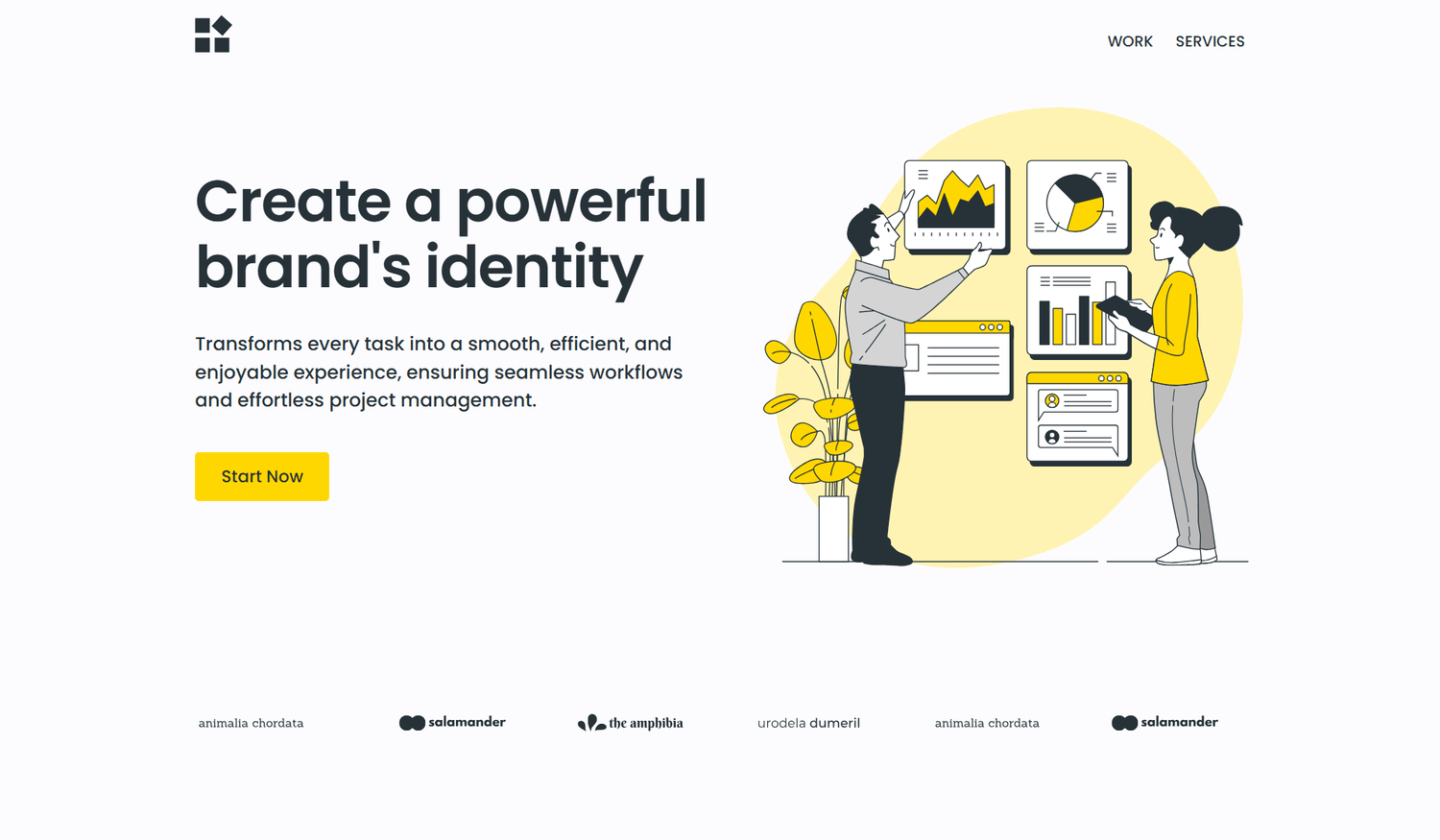
A simple funnel structure for turning visitors into email leads with a clear opt-in path.
Download This Template →Sales Funnel Template
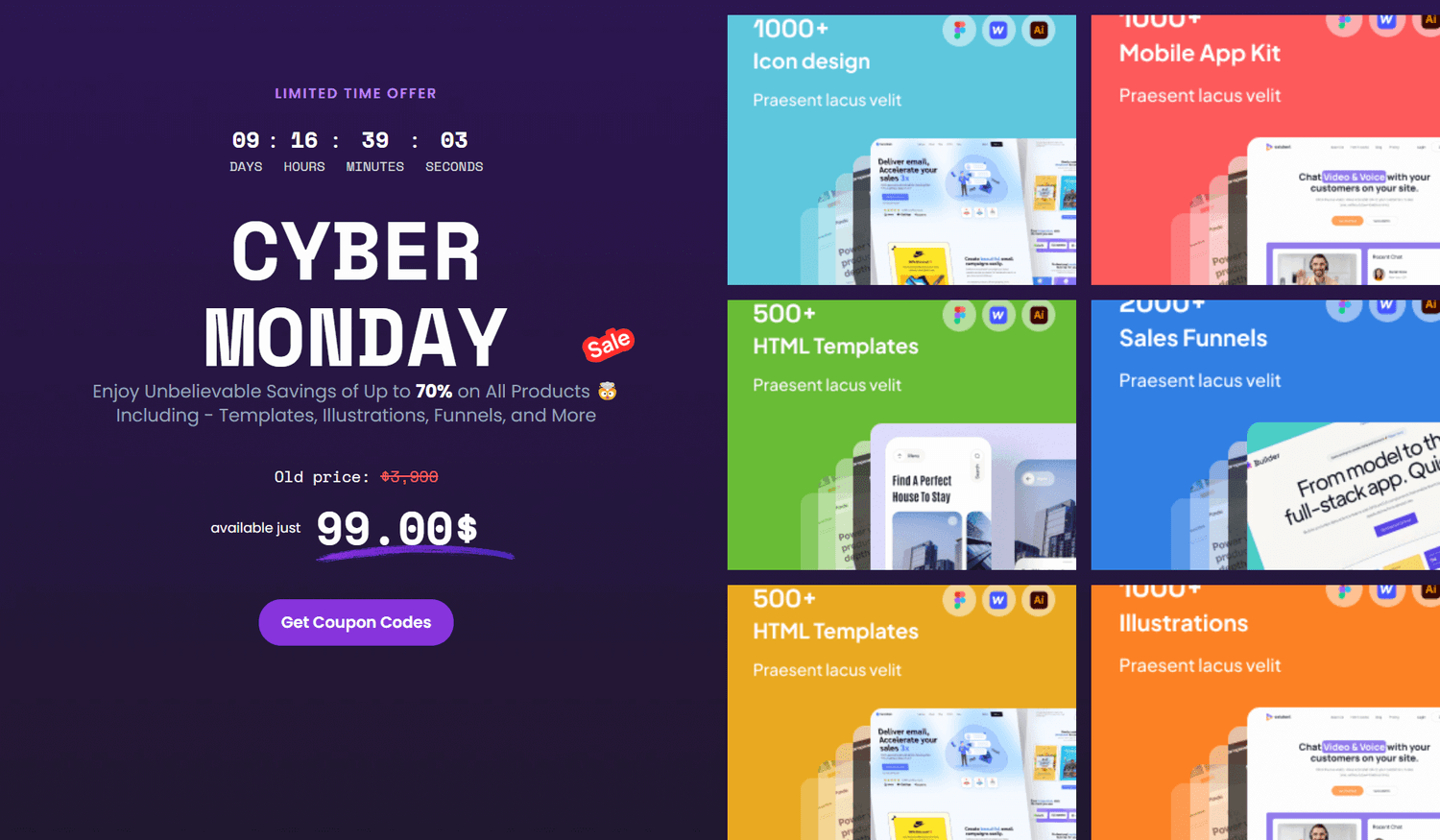
A conversion-focused funnel layout designed to guide visitors from the offer to the checkout page.
Download This Template →Webinar Funnel Template

A webinar funnel structure for getting visitors to register, attend your presentation, and take the next step.
Download This Template →Online Course Funnel Template
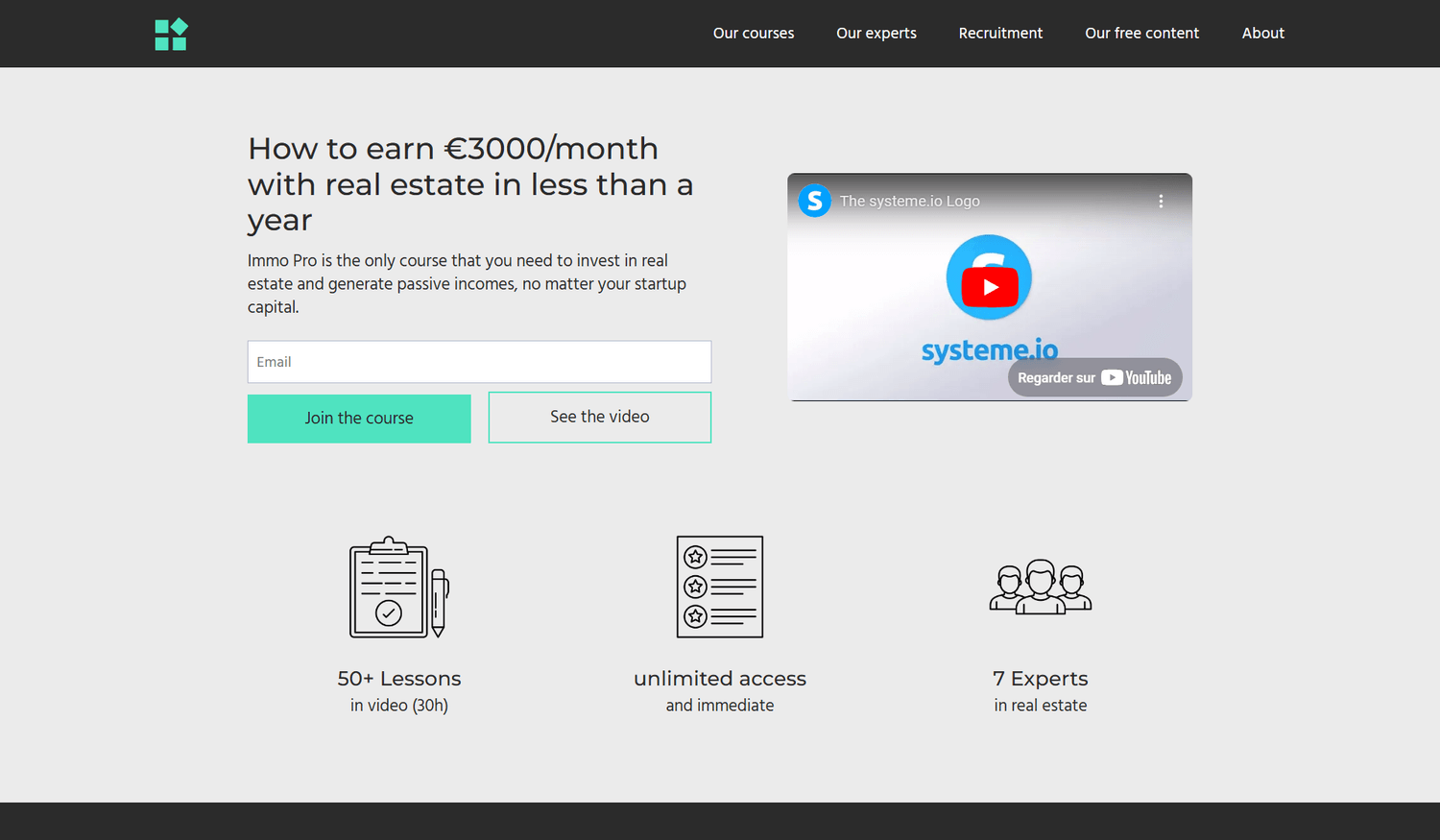
A course-focused funnel layout for presenting your offer, collecting signups, and turning visitors into students.
Download This Template →Tripwire Funnel Template
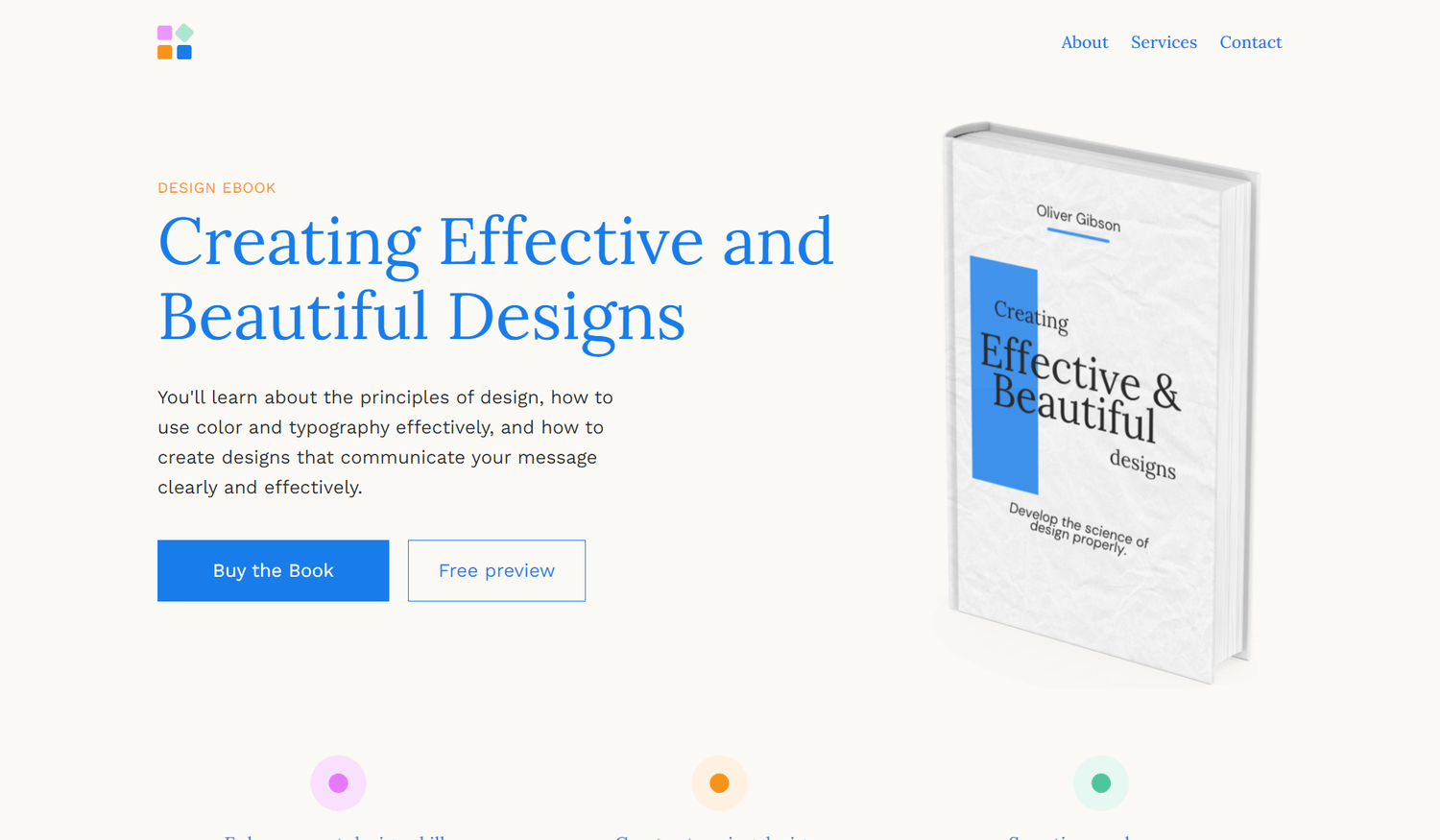
A low-ticket funnel structure that introduces a simple offer and leads customers toward additional products or upgrades.
Download This Template →Application Funnel Template
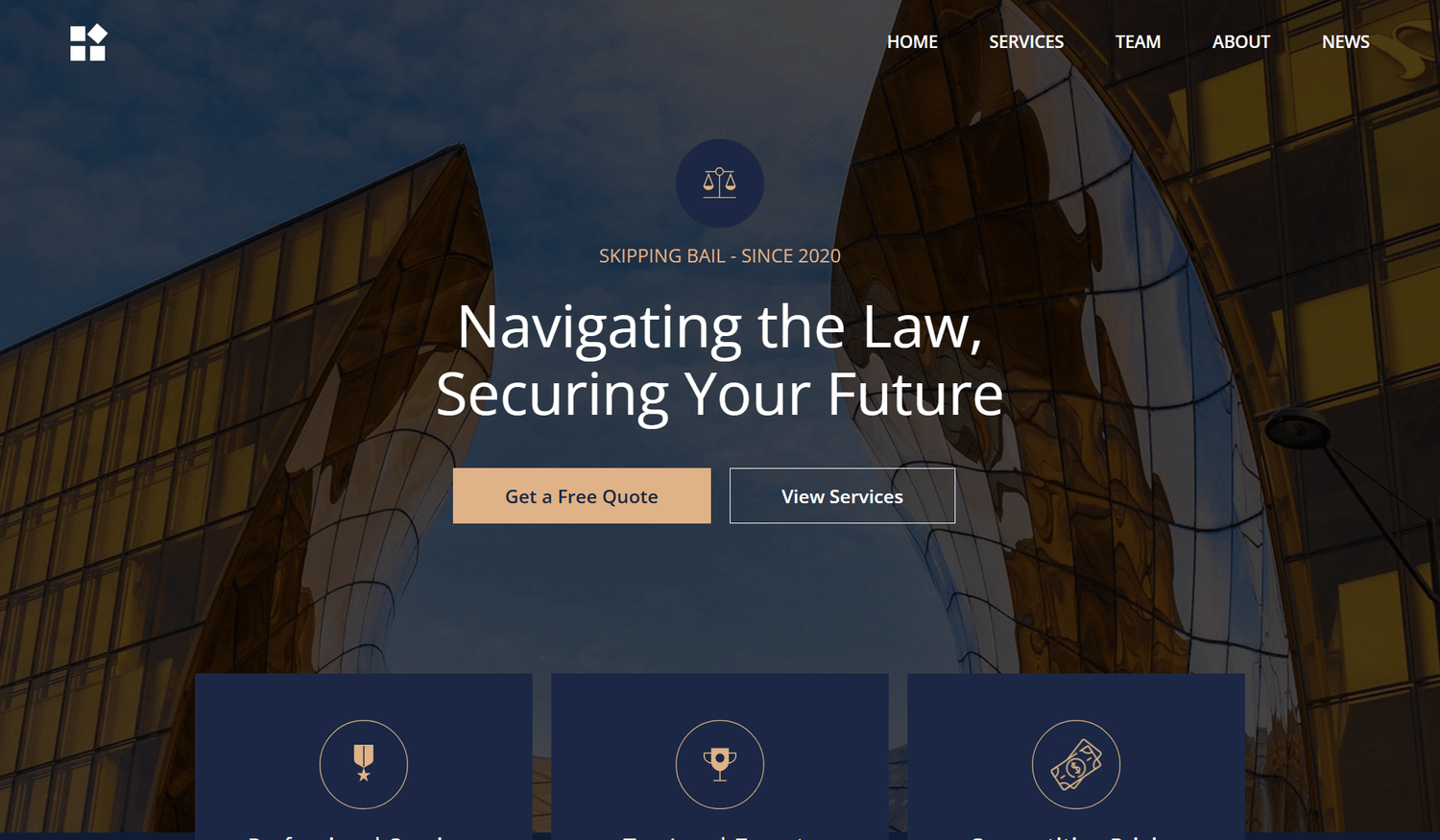
An application funnel structure for qualifying prospects before inviting them to apply, book a call, or take the next step.
Download This Template →Ebook / Lead Magnet Funnel Template
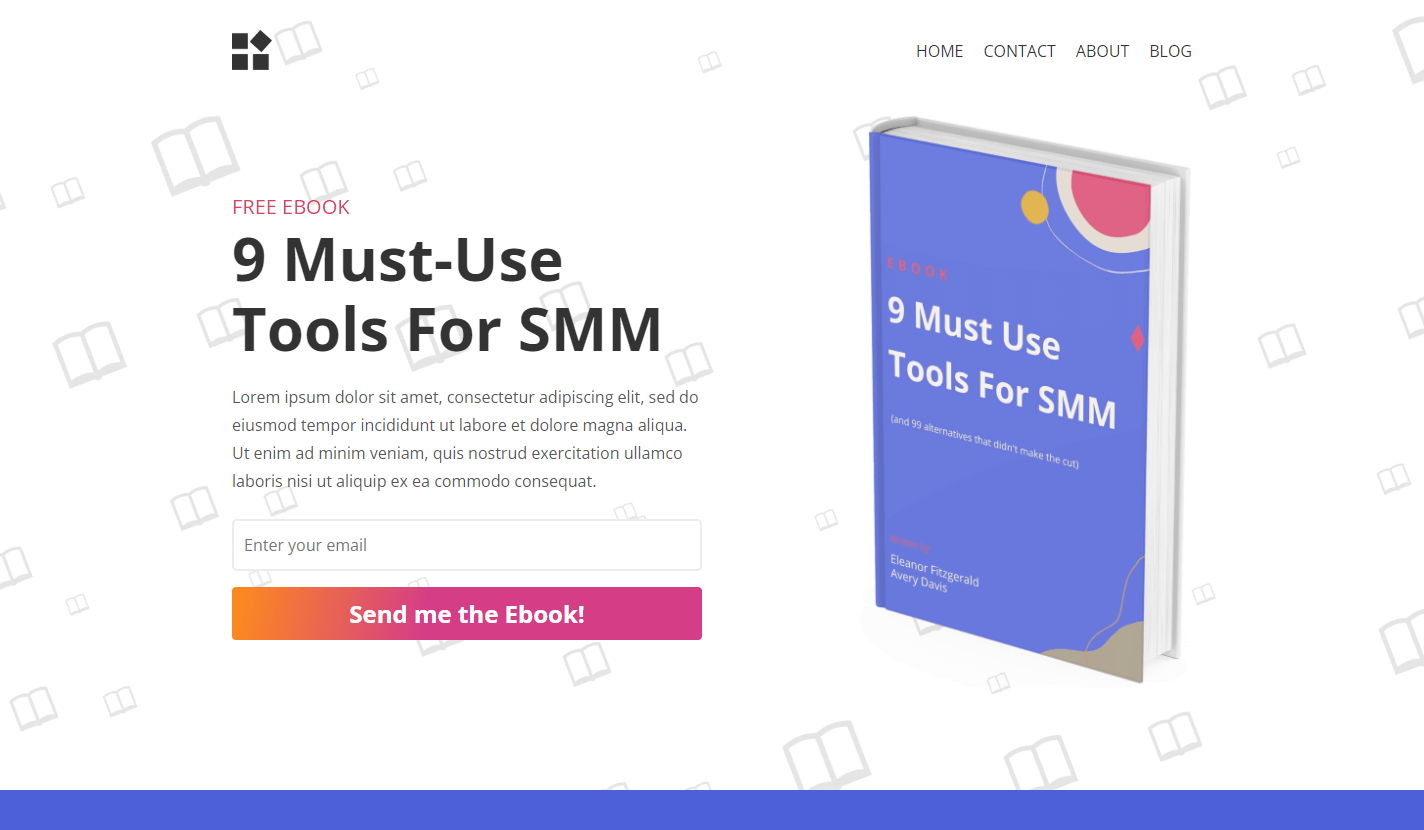
A lead magnet funnel layout for offering a free ebook or resource in exchange for new email subscribers.
Download This Template →Affiliate Funnel Template
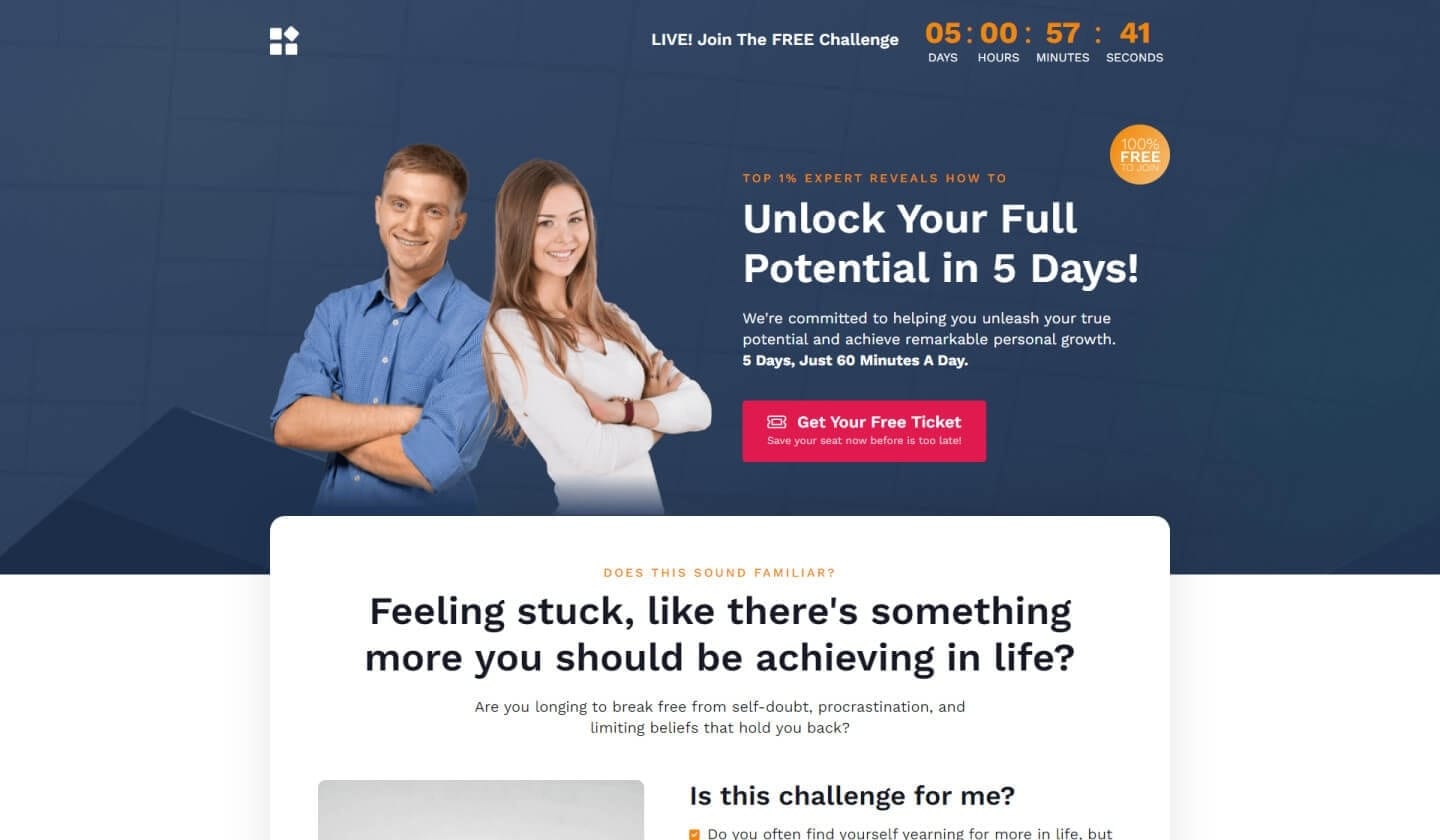
An affiliate funnel layout for introducing an offer, building interest, and sending visitors to your recommended product.
Download This Template →VSL Funnel Template
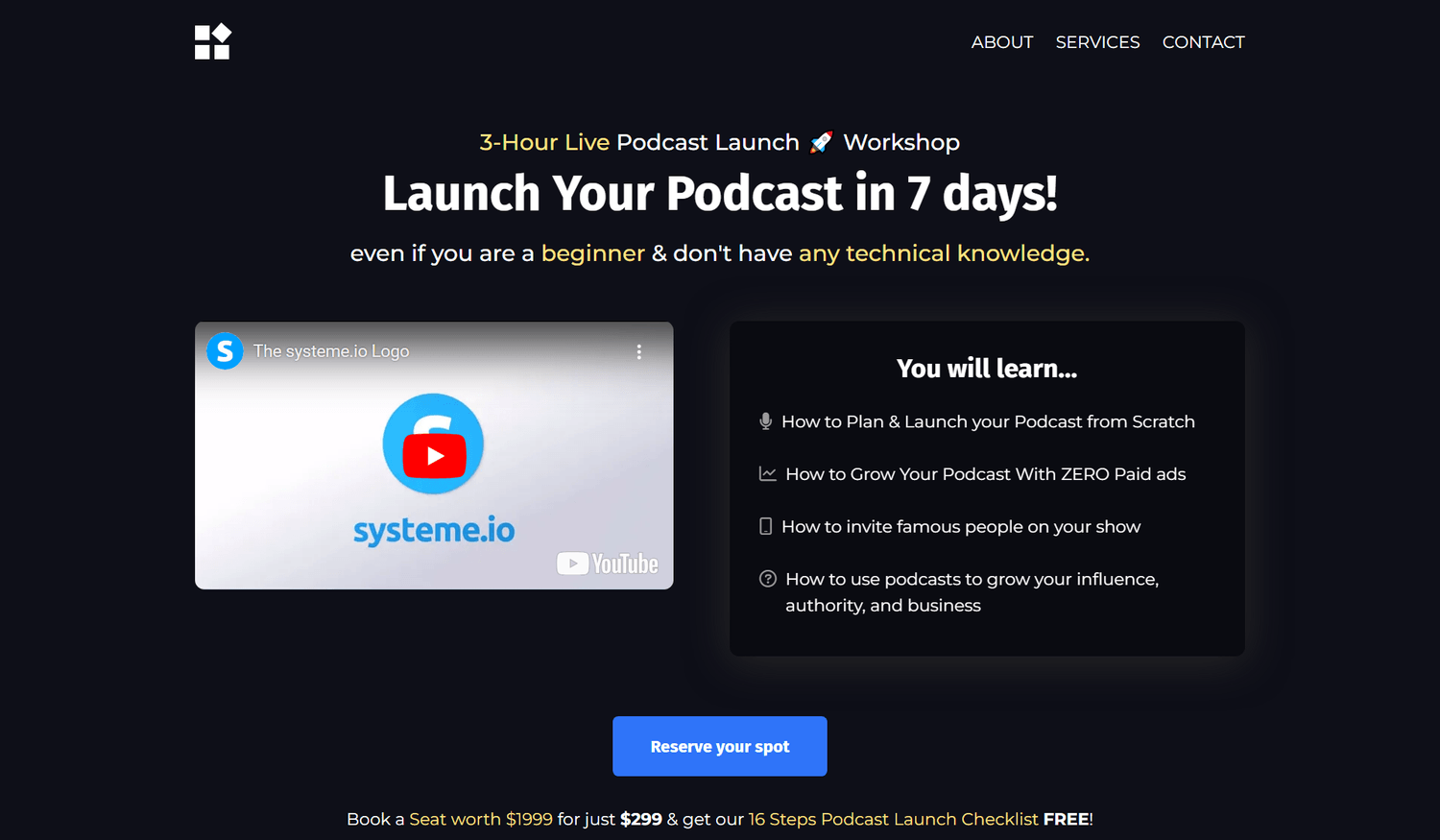
A video sales letter funnel designed to use a focused sales video to explain the offer and guide visitors toward the next step.
Download This Template →Membership Funnel Template
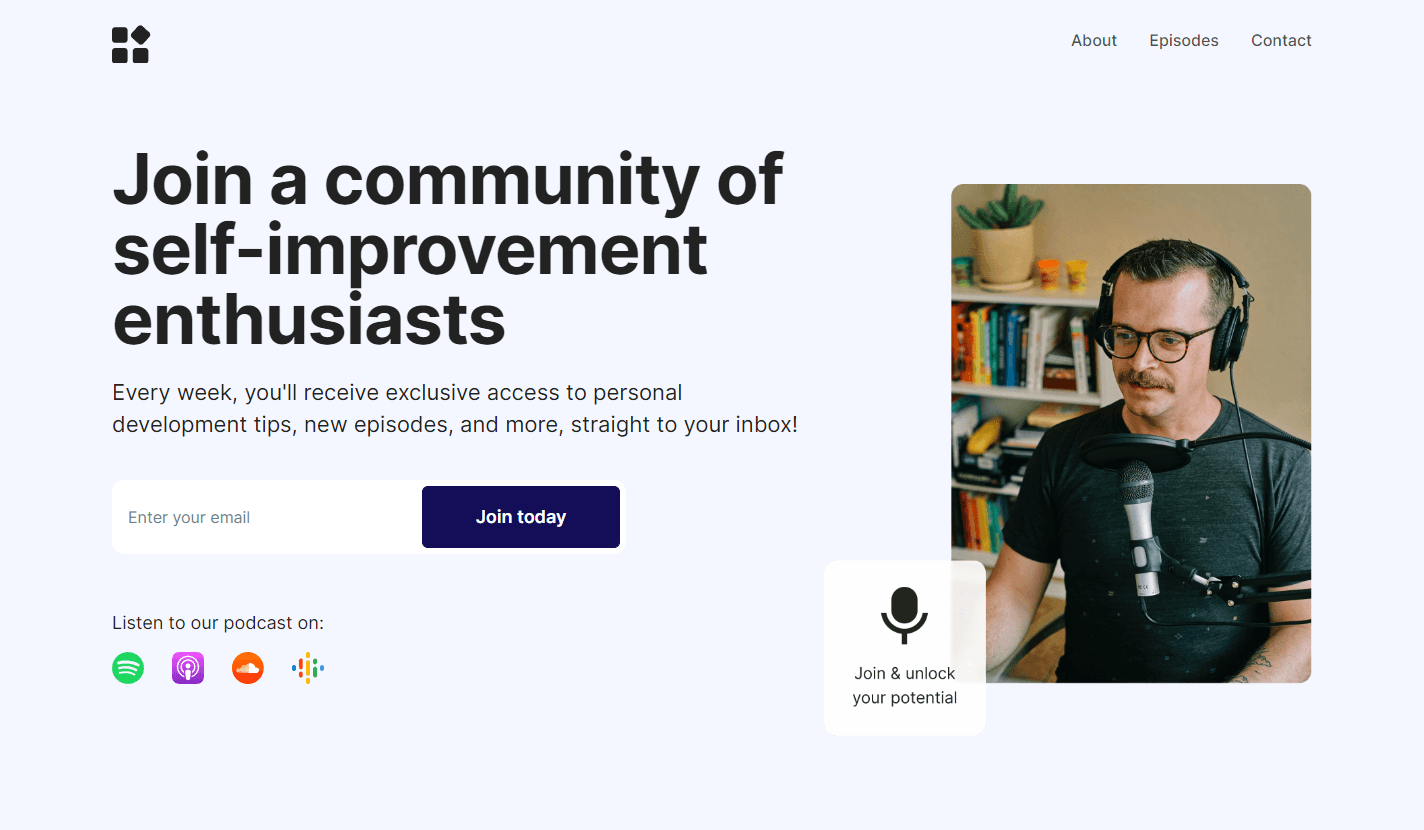
A membership funnel structure for presenting your membership offer, collecting payments, and guiding new members into your community.
Download This Template →Event Registration Funnel Template
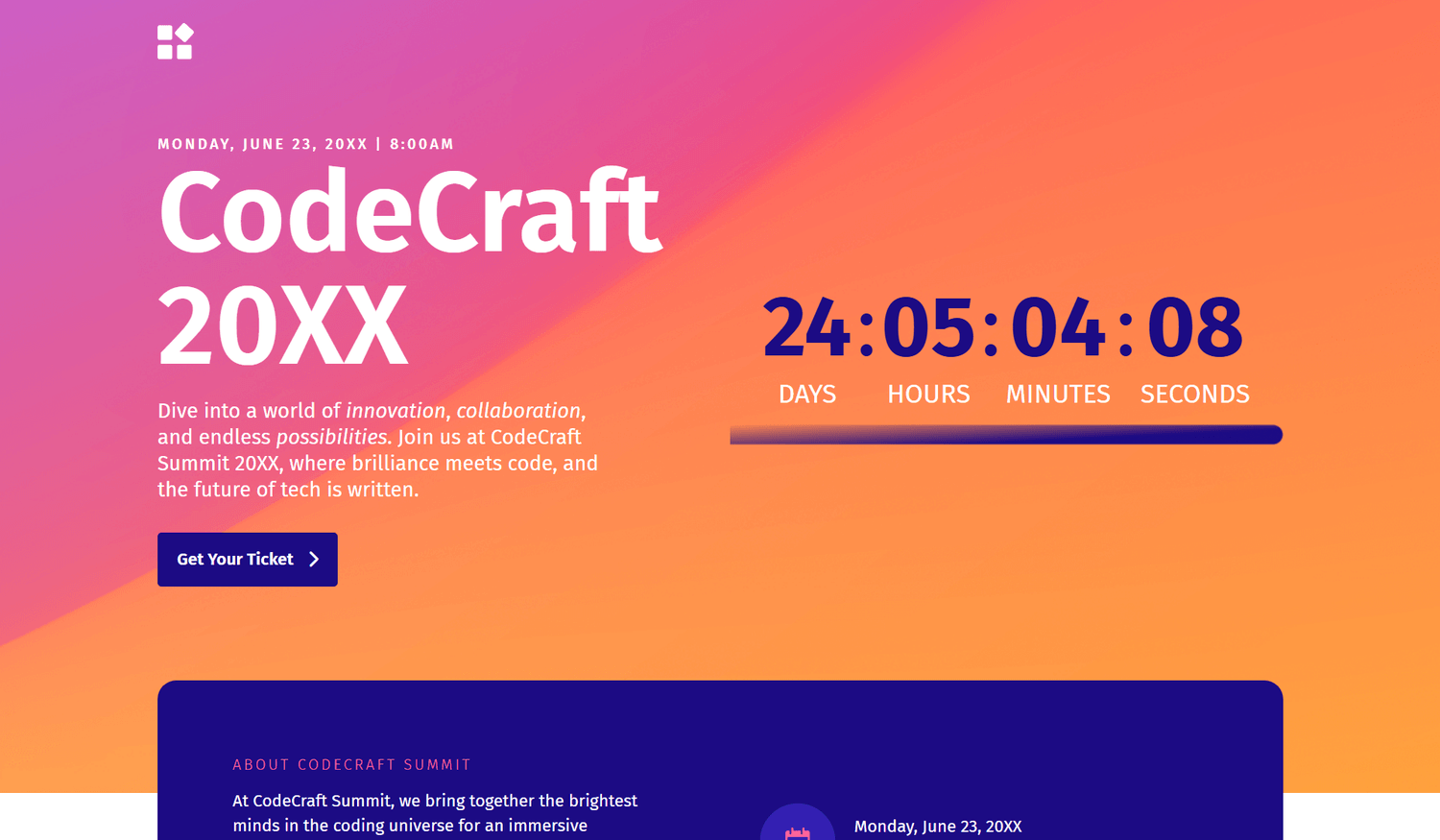
An event registration funnel designed to promote an event, collect registrations, and guide attendees through the next steps.
Download This Template →Challenge Funnel Template
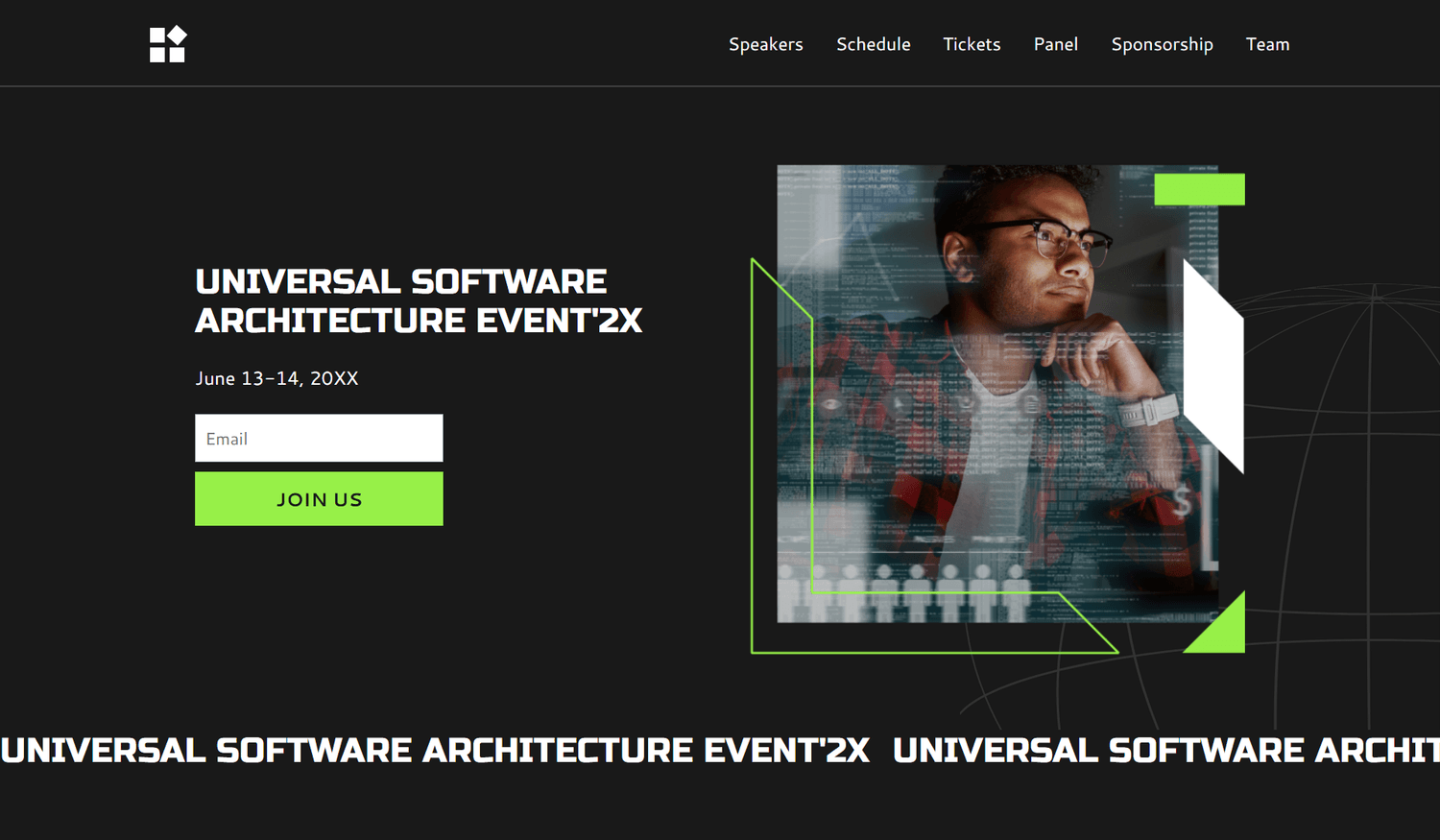
A challenge funnel structure for getting people registered, delivering the challenge, and presenting an offer at the right point.
Download This Template →Quiz Funnel Template
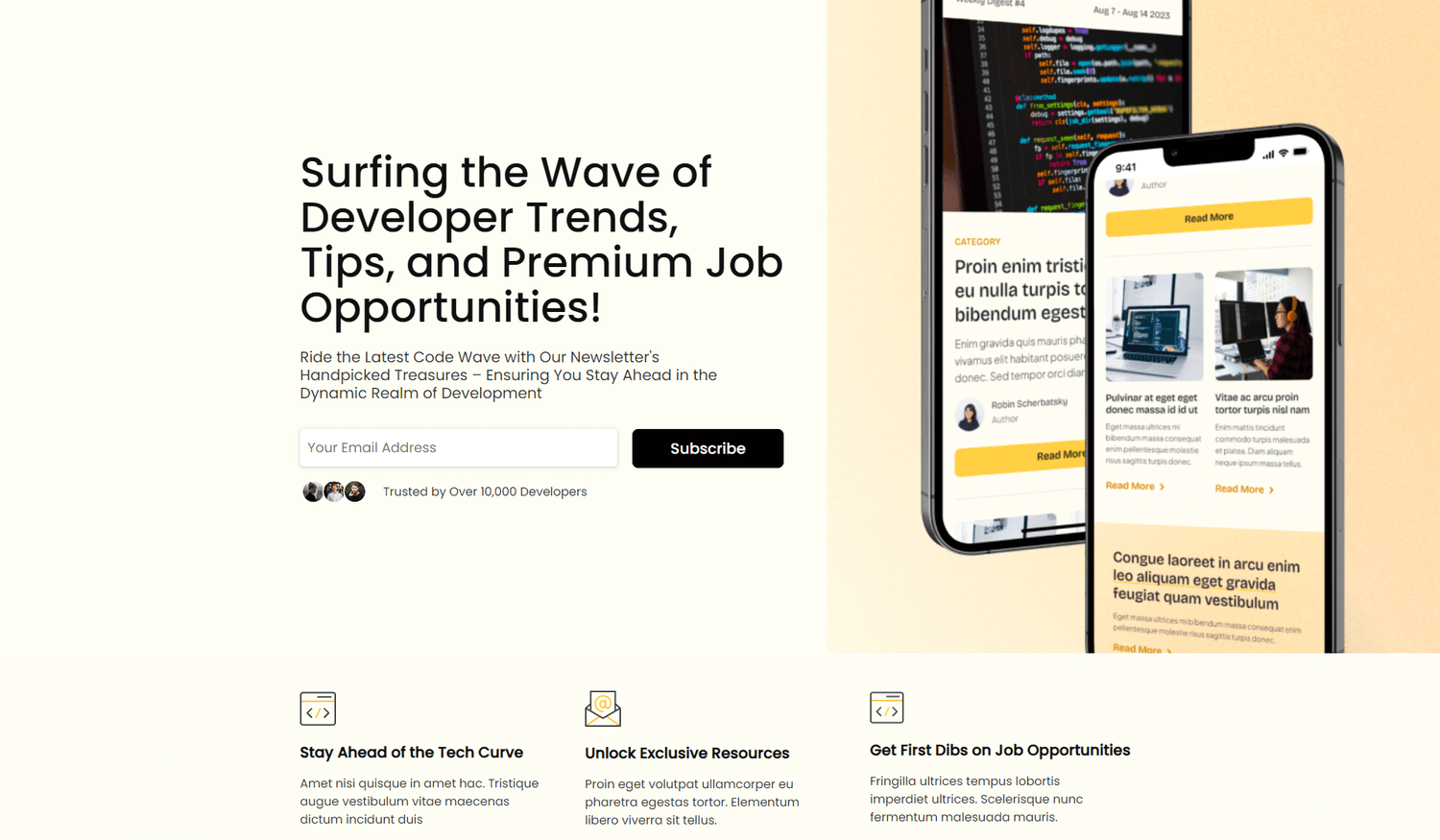
A quiz funnel structure that uses questions to engage visitors, collect leads, and direct them toward a relevant offer.
Download This Template →Free Book Funnel Template
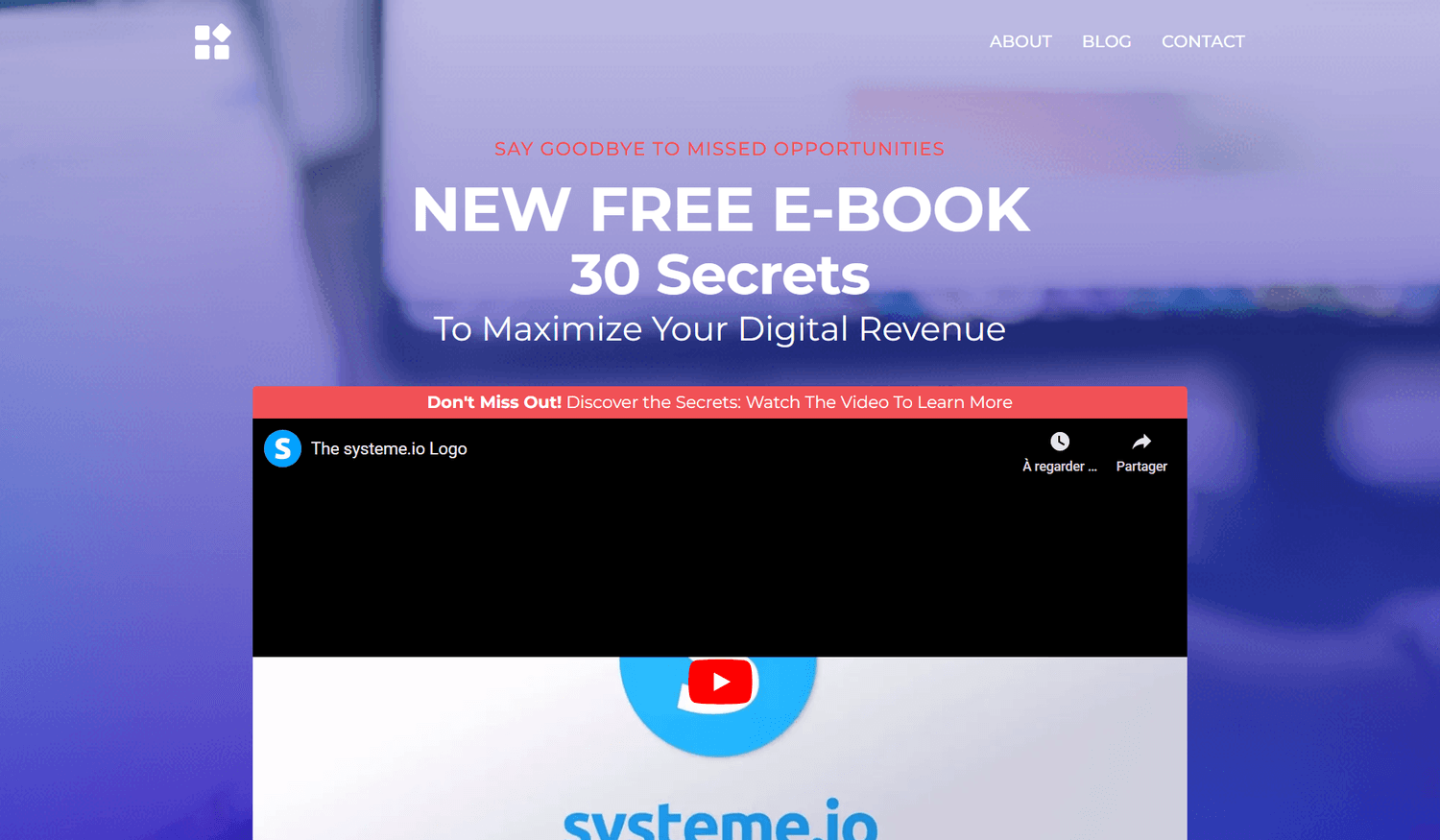
A free book funnel structure for offering a book or valuable resource while moving interested visitors toward your next offer.
Download This Template →A landing page can get someone to take one action. A funnel gives that person a path to follow.
That is the main difference between a Systeme.io funnel template and a single page template. Instead of starting with a blank page and trying to figure out what should come next, you can start with a structure designed around a particular goal.
The funnel templates above cover different situations, from collecting leads and selling products to running webinars, challenges, quizzes, memberships, and application-based offers. You can choose the structure that is closest to what you are trying to build and customize it for your own business.
What Are Systeme.io Funnel Templates?
Systeme.io funnel templates are pre-built funnel designs that can be used as a starting point for creating a customer journey. Instead of designing every page and deciding how those pages should connect, you begin with a structure that already matches a particular type of funnel.
For example, a lead generation funnel might start with an opt-in page and continue to a thank-you page. A webinar funnel may include registration, confirmation, webinar, and offer pages. A sales funnel can take visitors from an offer page through checkout and toward a thank-you or upsell step.
The important part is that the template represents more than the appearance of one page. It gives you a starting point for the flow of the funnel.
Think of it this way: a landing page is one step. A funnel is the sequence of steps that moves someone from first visit to the action you want them to take.
Systeme.io Funnel Templates vs. Landing Page Templates
These two types of templates are related, but they are not the same thing. A landing page template focuses on the design and content structure of an individual page. A funnel template focuses on how multiple pages or steps work together.
Landing page template
Designed around one page, such as an opt-in page, sales page, webinar registration page, or thank-you page.
Funnel template
Designed around a sequence of pages and actions that move a visitor toward a specific goal.
Page-focused
Useful when you already know the funnel structure and simply need a page design to add to it.
Journey-focused
Useful when you want a starting structure for the entire path from the first visitor interaction to the next conversion step.
You can also use both together. For example, you might choose a funnel structure first and then customize the individual pages inside that funnel to match your brand, offer, and audience.
Which Systeme.io Funnel Template Should You Use?
The right starting point depends on what you want the visitor to do. You do not need the most complicated funnel. In many cases, a simple path with a clear next step is easier to build and easier for visitors to understand.
Want more email leads?
Start with a lead generation funnel or lead magnet funnel. The basic goal is to exchange a useful resource or offer for an email signup.
Selling a product?
A sales funnel or product funnel can give you a starting structure for presenting the offer and moving visitors toward checkout.
Running a webinar?
A webinar funnel can organize registration, confirmation, the webinar experience, and the next offer.
Selling a course?
An online course funnel can be used as a starting point for presenting your training and moving interested visitors toward enrollment.
Need to qualify prospects?
An application funnel can collect information from prospects before they move toward a call, consultation, or application-based offer.
Want to sell a low-cost offer?
A tripwire funnel can provide a starting structure for presenting a lower-priced entry offer before introducing additional products or upgrades.
Want to use video?
A VSL funnel puts the video sales letter at the center of the visitor journey and leads the viewer toward the next action.
Want to make the funnel interactive?
A quiz funnel can use questions to engage visitors, collect information, and guide them toward a relevant next step.
How a Basic Funnel Works
Every funnel can be different, but the basic idea is simple. Someone arrives, takes an initial action, receives the next piece of information or offer, and eventually reaches the main conversion step.
Traffic
Someone discovers your page through search, social media, email, advertising, referrals, or another traffic source.
First action
The visitor takes an initial action such as opting in, registering, watching a video, starting a quiz, or viewing an offer.
Follow-up
The funnel continues with another page, offer, email, event, application, or other relevant step.
Conversion
The visitor reaches the action that matters for the funnel, such as a purchase, booking, application, or signup.
How to Customize a Systeme.io Funnel Template
A template should be treated as a starting point, not a finished marketing campaign. The structure can save you time, but your copy, offer, branding, and customer journey still need to fit your business.
1. Choose the funnel structure
Start by choosing a funnel that matches your goal. If you are collecting leads, there is little reason to begin with a complicated product-launch structure. If you are selling a product, a simple opt-in funnel may not give you everything you need.
2. Replace the template content
Change the headline, copy, images, buttons, forms, pricing, and other content so the pages describe your actual offer. Avoid leaving generic template text in place.
3. Connect the pages
Check what happens after every important button or form submission. A visitor should know where they are going next, and the funnel should take them to the appropriate page rather than leaving a broken or unfinished path.
4. Add your follow-up
If your funnel collects an email address, think about what happens after the signup. The page is only one part of the customer journey. Follow-up emails can continue the conversation and direct subscribers toward the next relevant step.
5. Test the complete journey
Go through the funnel yourself before sending traffic to it. Test the forms, buttons, links, checkout process, confirmation pages, and any other important steps.
Why Start With a Funnel Template?
Building from a blank page gives you complete freedom, but it also means every decision has to be made from scratch. You have to decide which pages you need, what order they should appear in, what each page should accomplish, and how visitors should move between them.
A Systeme.io funnel template gives you a starting structure. You can look at the pages as a complete journey instead of trying to invent the entire process one screen at a time.
That does not mean every template will be perfect for your business. The useful part is having something to customize rather than staring at a completely blank funnel.
- Start with a funnel structure that matches your goal.
- Customize the copy and design for your offer.
- Remove pages or steps you do not actually need.
- Add your own branding and images.
- Connect forms, checkout, emails, and other required steps.
- Test the complete funnel before sending visitors to it.
Ready to Browse Systeme.io Funnel Templates?
Browse the Systeme.io template library to see available funnel designs and choose a starting point for your next funnel.
Download Free Funnel Templates →Frequently Asked Questions About Systeme.io Funnel Templates
What are Systeme.io funnel templates?
Systeme.io funnel templates are pre-built funnel structures that give you a starting point for creating a customer journey. You can customize the pages and content for your own business and offer.
Are Systeme.io funnel templates free?
Systeme.io provides templates through its template library. The available options and access can vary, so check the current template library for the funnels available to you.
Can I customize Systeme.io funnel templates?
Yes. The purpose of using a template is to give you a starting structure that you can adapt. You can change the content, branding, images, offers, forms, and other elements to fit your funnel.
What is the difference between a funnel and a landing page?
A landing page is generally an individual page designed around a specific action. A funnel is a sequence of pages or steps designed to move visitors through a broader customer journey.
Which funnel should I use for lead generation?
A lead generation funnel or lead magnet funnel is a natural starting point when the main goal is collecting leads. The specific pages you need depend on the offer and what happens after someone submits their information.
Can I use a Systeme.io funnel template for a webinar?
Yes. A webinar funnel can be structured around registration and the steps that follow, such as confirmation, webinar access, and the next offer or action.
Can I use these templates for affiliate marketing?
An affiliate funnel can be used as a starting structure for presenting an affiliate offer and guiding visitors toward the recommended product. Make sure your funnel and disclosures follow the rules that apply to your promotion.
Do I need to build every funnel from scratch?
No. Starting with a template can give you a pre-built structure to customize. You still need to adapt the funnel to your offer, audience, branding, and conversion goal.
Start With the Funnel, Then Customize the Details
The biggest advantage of using a funnel template is having a starting point. Instead of spending your first few hours deciding what pages you might need, you can begin with a structure that already resembles the type of journey you want to create.
Browse the Systeme.io funnel templates above, choose the structure closest to your goal, and then make it your own. Change the messaging, remove unnecessary steps, add your offer, connect the follow-up, and test the entire journey before sending traffic.
If you want to explore more designs, you can also browse the full template library here:
Dream Customer Waves
Practical systems for building, marketing and selling online.
Explore
Start Here
Guides
Tools
About
Popular Topics
Funnels
Webinars
Some links on Dream Customer Waves are affiliate links. If you purchase a product or service through one of these links,
I may earn a commission at no additional cost to you.
My goal is to provide useful information that helps you make an informed decision, whether or not you purchase through an affiliate link.
Copyright © | 2027 | Dream Customer Waves
Affiliate Disclosure • Terms of service • Contact • Privacy Policy